
Carbonation Test in India: Ensuring Concrete Durability and Structural Safety
Concrete structures are the backbone of modern infrastructure, ranging from buildings to bridges, highways, and dams. Over time, however, concrete can degrade due to environmental factors, leading to the risk of structural damage and increased maintenance costs. One of the most common causes of deterioration in concrete is carbonation, a chemical reaction between carbon dioxide (CO2) in the air and calcium hydroxide (Ca(OH)2) in concrete. This process can reduce the alkalinity of concrete, which in turn can lead to the corrosion of steel reinforcement bars inside. To assess the risk and extent of carbonation in concrete, a Carbonation Test in India is essential for ensuring the safety and longevity of infrastructure.
What is a Carbonation Test?
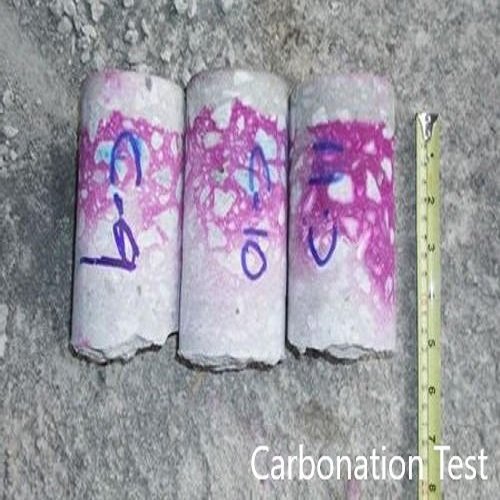
A Carbonation Test in India is a diagnostic test used to measure the depth of carbonation in concrete. This test helps determine how far CO2 has penetrated the surface of the concrete and whether the reinforcement bars have been affected by corrosion. If the depth of carbonation reaches the level of steel reinforcement, the structure is at high risk for corrosion, which can lead to weakening and eventual failure if not addressed promptly.
Importance of Carbonation Test in India
The Carbonation Test in India plays a crucial role in assessing the health of concrete structures. It helps engineers and building managers make informed decisions about maintenance and repair needs. By identifying carbonation at an early stage, it’s possible to address the issue before it causes serious structural problems. Conducting a Carbonation Test in India is also an important step in ensuring that the concrete meets quality standards and complies with safety regulations.
In India, environmental conditions such as high humidity, temperature fluctuations, and the presence of pollutants in the air can accelerate the carbonation process. Thus, a Carbonation Test in India is vital to understanding how local conditions affect the durability of concrete. Structures exposed to these conditions, like bridges and buildings in coastal regions, may experience more rapid carbonation than others, requiring frequent monitoring.
How is the Carbonation Test Conducted?
The Carbonation Test in India is typically carried out by cutting a small core sample of the concrete and applying a chemical solution, such as phenolphthalein, to the surface. The chemical will change color depending on the level of carbonation. The non-carbonated area will remain pink, while the carbonated areas will turn colorless, revealing the depth of carbonation.
Alternatively, Carbonation Test in India can also be performed using a non-destructive method. This involves using a carbonation depth indicator to measure carbonation without removing a sample. Such tests can be quicker and less invasive, which makes them suitable for larger structures or when core sampling is impractical.
Benefits of Carbonation Testing in India
The benefits of performing a Carbonation Test in India are numerous. Some of the key advantages include:
- Early Detection of Corrosion: By conducting a Carbonation Test in India, you can identify early signs of corrosion in concrete. This allows for timely repairs and prevents the need for costly structural overhauls.
- Improved Safety: The test helps ensure that concrete structures are safe to use and free from hidden degradation, reducing the risk of accidents caused by structural failure.
- Maintenance Planning: Based on the results of a Carbonation Test in India, maintenance schedules can be planned more effectively, allowing for repairs before significant damage occurs.
- Cost Savings: Regular Carbonation Tests in India can save money in the long run by helping to prevent serious corrosion that might require expensive repairs or replacements.
- Compliance with Standards: Many Indian regulatory bodies require periodic testing for carbonation and other forms of concrete degradation. A Carbonation Test in India ensures that you are complying with these standards.
Carbonation and Environmental Factors in India
India’s diverse climate and environmental conditions contribute significantly to the rate of carbonation in concrete. In cities with high levels of air pollution, like Delhi, the carbonation process can be accelerated. Similarly, regions with high humidity, such as coastal areas in Mumbai and Chennai, experience faster carbonation due to the presence of moisture and CO2 in the air.
Understanding how these environmental factors affect concrete is crucial for the planning and implementation of construction projects in India. A Carbonation Test in India can provide valuable insights into the impact of local conditions on the durability of structures and help guide the selection of materials and construction practices.
How Often Should the Carbonation Test Be Conducted?
The frequency of a Carbonation Test in India depends on the age of the structure, environmental conditions, and the level of exposure to corrosive agents. Generally, newer buildings might require testing every 5 to 10 years, while older buildings or those in harsher environmental conditions may require more frequent testing. It’s important to consult with experts to determine the ideal testing schedule for each specific structure.
When to Perform a Carbonation Test in India?
A Carbonation Test in India should be performed if:
- The concrete is showing signs of aging or cracking.
- There are visible signs of corrosion or rust on exposed steel reinforcement.
- The building is located in a highly polluted or humid area.
- There is a need to assess the long-term durability of the concrete.
If the carbonation depth is found to be significant, it’s crucial to take immediate action to prevent further degradation of the concrete and steel reinforcement. This might involve applying protective coatings, rebar replacement, or other corrective measures to preserve the integrity of the structure.
Conclusion
In conclusion, a Carbonation Test in India is an essential part of maintaining the structural integrity of concrete buildings and infrastructure. With the potential risks posed by carbonation and the corrosive effects it has on concrete, timely testing and evaluation are crucial for the long-term safety and durability of structures. Whether you are in a bustling urban center like Delhi or a coastal region, the Carbonation Test in India provides valuable insights that help ensure the safety, stability, and longevity of your concrete structures.
If you are looking for reliable Carbonation Test in India, trust PGSD Testing Lab to deliver accurate and efficient results. With years of expertise and state-of-the-art testing methods, PGSD Testing Lab is your trusted partner in maintaining the health of your concrete structures across India.